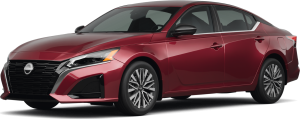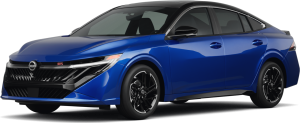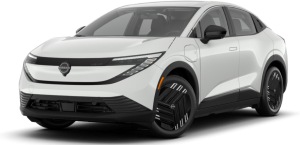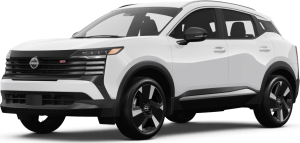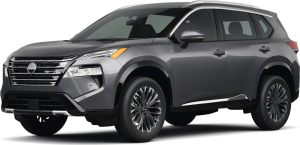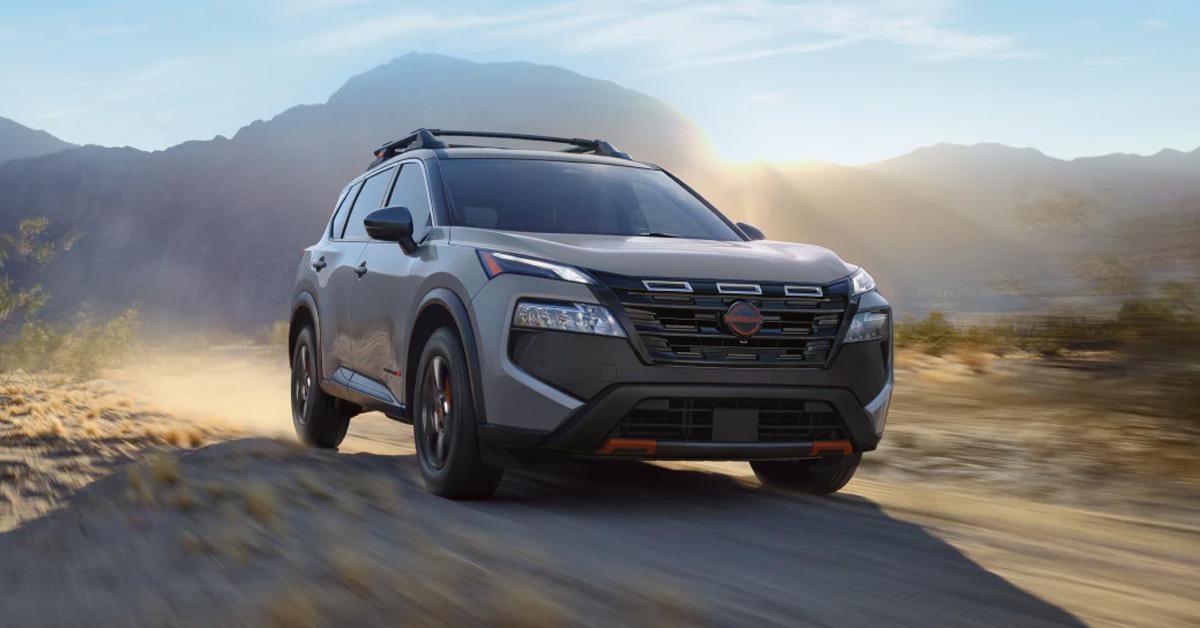
When comparing Nissan Rogue vs Hyundai Kona reliability for 2026, the Rogue stands out for buyers who prioritize long-term durability, proven engineering, and consistent performance over the years of ownership. Both SUVs offer modern safety and technology, but differences in powertrain design, size, and real-world usability can affect long-term reliability. Understanding those differences helps clarify which model is better suited for drivers who plan to keep their vehicle well beyond the warranty period.
At Antelope Valley Nissan, we are here to support you at every stage of ownership, from choosing the right vehicle to expert service and genuine Nissan parts down the road. Our team is committed to helping drivers make confident, informed decisions that fit their lifestyle and driving needs. Contact us today or stop by to learn more about your options and experience personalized automotive care.
How Do the Nissan Rogue and Hyundai Kona Compare in Long-Term Reliability?
Long-term reliability focuses on how a vehicle performs after years of daily use. In discussions about Rogue Kona long-term reliability, buyers often look past first impressions. They want to know which SUV stays solid as miles add up. Wear, heat, and repeated driving all play a role.
The Rogue is built with a clear goal of steady use over time. Its size, engine tuning, and ride setup are meant to reduce strain on key parts. This can help limit early wear. For drivers who keep their vehicle longer, that design choice matters.
The Hyundai Kona takes a more compact approach. A smaller size can help with city driving, but long-term use depends on how hard the systems work each day. Engines that run at higher output may feel quicker. Over time, they can face more stress.
For many drivers, long-term reliability is about trust. The right SUV should feel familiar and dependable, even years after purchase.
What Engineering Factors Influence Nissan Rogue Reliability in 2026?
Engineering plays a major role in how a vehicle holds up over time. For the Rogue, reliability starts with systems designed to reduce strain. Power delivery is smooth and controlled. This helps parts last longer under daily use.
The Rogue engine is tuned for balance rather than peak output. That approach lowers heat and stress during long drives. Cooling systems are built to handle stop-and-go traffic and warm weather. These details matter as miles add up.
Transmission behavior also affects long-term dependability. Smooth shifts help protect internal parts. Over time, this can reduce the risk of wear tied to common issues Rogue Kona owners often research.
Key engineering choices that support reliability include:
- Engine tuning that favors steady power
- Cooling systems built for high heat and traffic
- Suspension parts designed for uneven roads
- Drivetrain setups that limit shock to key parts
Reliability also improves when systems work together. When engine, transmission, and suspension stay in sync, the vehicle feels stable year after year. That consistency helps reduce long-term concerns for owners.
How Does the Hyundai Kona’s Powertrain Affect Reliability Over Time?
Powertrain design shapes how a vehicle ages. In the Nissan Rogue vs Hyundai Kona reliability 2026 discussion, the Kona stands out for its small and quick setup. Smaller engines can feel lively in town. Over time, that output can place more load on key parts.
The Kona offers more than one engine choice. Some options focus on fuel use. Others aim for faster response. Each setup brings trade-offs that can affect long-term wear.
Transmission design also plays a role. Frequent shifting in traffic can add stress. How smoothly the system responds matters as miles build. These details influence how the Kona compares with the Rogue in daily use.
Buyers often consider these powertrain factors:
- Engine size and how hard it works each drive
- Heat control during long or slow trips
- Shift behavior in stop-and-go traffic
- Power delivery under load
For long-term owners, balance is key. A powertrain that works within its limits tends to age better. That is a core point many drivers weigh when choosing between these SUVs.
What Common Issues Are Reported for the Nissan Rogue and Hyundai Kona?
When buyers look into Rogue Kona long-term reliability, they often search for known trouble areas. Most modern SUVs are more reliable than older models. Still, patterns can appear over time. Knowing what owners ask about helps set fair expectations.
For the Rogue, many concerns relate to normal wear parts. These can include brakes, tires, and routine service items. Updates over recent years have helped improve system response and stability. Proper care plays a big role in how well it ages.
For the Kona, reports often focus on electronics and powertrain behavior. Software updates can address many concerns. Smaller engines may feel more active in daily driving. Over time, this can affect how parts hold up.
No vehicle is free from issues. What matters most is how often problems appear and how easy they are to manage. Consistent care helps protect long-term dependability for both SUVs.
How Do Reliability Scores and Industry Testing Factor Into the Comparison?
Reliability scores help buyers spot trends over time. These scores often come from testing, repair data, and long-term tracking. They give a broad view of how a vehicle may perform. They do not predict every owner's experience.
Industry testing looks at stress, heat, and daily use. This includes road tests and lab checks. These results help explain why some common issues Rogue Kona owners search for appear less often in newer models. Design updates matter.
The Rogue benefits from repeat testing and system updates. Each test helps find weak points early. Fixes made before release can improve long-term trust. This adds value beyond raw scores.
Scores and tests work best together. They help show which vehicles are built for steady use over time.
How Does Maintenance and Service Impact Rogue vs Kona Reliability?
Maintenance plays a big role in long-term dependability. In the Nissan Rogue vs Hyundai Kona reliability 2026 discussion, care often matters as much as design. Regular service helps catch small issues early. This can prevent larger repairs later.
The Rogue is built with clear service needs. Routine tasks are easy to track and plan. Following the service schedule helps protect key systems. This supports steady performance over time.
Service quality also matters. Trained techs know how systems work together. Using the right parts helps maintain fit and function. These steps can improve how the vehicle ages.
Key service habits that support reliability include:
- Timely oil and fluid changes
- Brake and tire checks at set miles
- Software updates when needed
- Inspections for heat and wear
Consistent care builds trust in daily driving. A well-serviced SUV is more likely to stay smooth and dependable for years.
Which SUV Handles Daily Driving and Harsh Conditions More Consistently?
Daily driving tests a vehicle in many ways. Heat, traffic, and rough roads add up over time. In terms of Rogue Kona long-term reliability, consistency matters most. A steady ride helps reduce stress on parts.
The Rogue is tuned for balance and comfort. It stays smooth in traffic and calm at speed. Suspension travel helps absorb bumps and dips. This can protect parts during repeated use.
The Kona feels light and quick in town. Its smaller build can help with tight streets. On rough roads, shorter wheel travel may pass more impact to the cabin. Over time, this can affect ride feel.
For many owners, smooth control builds trust. A vehicle that feels stable in all conditions tends to age better.
How Do Warranty Coverage and Manufacturer Support Affect Ownership Confidence?
Warranty coverage helps shape how owners feel about long-term care. Strong support can ease stress when repairs come up. This matters when drivers look up common issues Rogue Kona owners ask about. Knowing help is in place builds trust.
The Rogue is backed by clear factory support. Coverage helps protect key systems during early ownership. Dealer service also plays a role. Access to trained techs can speed up fixes.
Support goes beyond length alone. Clear terms and easy claims matter. Fast service can reduce time off the road. These factors affect daily peace of mind.
Confidence grows when support feels reliable. Strong backing helps owners stay focused on driving, not repairs.
Which Model Makes More Sense for Reliability-Focused SUV Shoppers in 2026?
Choosing the right SUV comes down to long-term trust. In the Nissan Rogue vs Hyundai Kona reliability 2026 comparison, buyers often weigh design and use. Both models aim to be dependable. One may suit certain needs better than the other.
The Rogue appeals to drivers who value balance and stability. Its size and tuning support calm, steady driving. Systems are built to work together under daily stress. This can help reduce long-term wear.
Some shoppers prefer a smaller, city-friendly SUV. That choice can work well for short trips and light use. Long-term owners often think ahead. They want a vehicle that stays smooth as miles add up.
Reliability-focused buyers often ask:
- How long does the vehicle feel solid
- How it handles heat and traffic
- How simple routine care feels
- How well sdo ystems age together
The best choice fits both lifestyle and plans. A vehicle built for steady use can offer peace of mind for years.
Nissan Rogue vs Hyundai Kona Reliability FAQs for 2026 Buyers
Buyers often ask these questions when they want clear, practical insight before choosing a vehicle they plan to keep for years. Straight answers help set realistic expectations about ownership, costs, and long-term dependability.
Which model has the stronger real-world reliability record: Nissan Rogue or Hyundai Kona?
The Nissan Rogue generally shows a stronger real-world reliability record over long ownership, especially in recent model years, while the Hyundai Kona is considered average to above average, but more mixed depending on engine choice.
What common failure modes or owner-reported issues appear most frequently for each model?
Rogue owners most often report routine wear items, occasional sensor warnings, and past-generation transmission concerns that have improved in newer models, while Kona owners more frequently report electronics glitches and powertrain-related complaints on certain engines.
How do average annual repair rates and cost-per-repair compare between the two?
Exact 2026 figures are not yet available, but prior-year data show both models with moderate annual repair rates, with the Rogue typically showing slightly lower repair frequency and similar or slightly lower average repair costs.
Are there model years or trims of the Rogue or Kona to avoid due to reliability concerns?
Older Rogue model years from the mid-to-late 2010s are more often flagged due to early CVT issues, while certain earlier Kona turbocharged trims have drawn more complaints than naturally aspirated versions.
How does warranty coverage and dealer network support influence perceived reliability?
Longer warranty coverage can increase confidence, but reliability perception is also shaped by how often repairs are needed and how easy it is to get timely service through a strong dealer network.
Nissan Rogue vs Hyundai Kona Reliability Summary for 2026 Shoppers
Choosing a dependable SUV is about more than numbers on a page. It is about finding a vehicle you can trust every day, year after year. If reliability is your priority, seeing options in person can help bring that decision into focus.
At Antelope Valley Nissan, we proudly serve drivers from Lancaster, Palmdale, LakeView, and Acton. Our team is here to help you explore a wide selection of vehicles, including the Rogue, and answer questions about long-term ownership, service, and support. From sales to parts and maintenance, help is always close by.
If ownership value matters to you, continue learning about long-term costs and care. Many shoppers also review Rogue Santa Fe costs, Rogue Kona costs, and Rogue Tucson costs to better compare expenses over time. Browse our site, compare options, or contact our team today for guidance tailored to your needs.
Contact Antelope Valley Nissan
Get Directions to Antelope Valley Nissan
Disclaimer: All information is provided for general informational and entertainment purposes only. While we strive for accuracy, we cannot guarantee that all content is complete, current, or error-free. Any reliance you place on such information is strictly at your own risk. This article may include opinions and is not endorsed by, or officially affiliated with, any vehicle manufacturer or brand. Always consult official sources – such as the vehicle’s owner’s manual, authorized dealerships, or certified professionals – for the most up-to-date and personalized information.