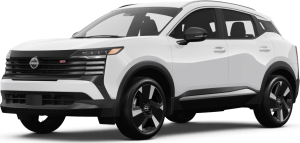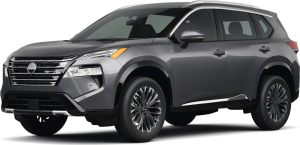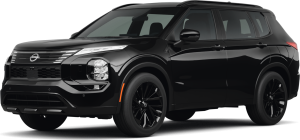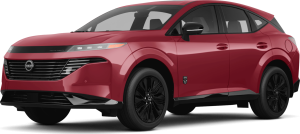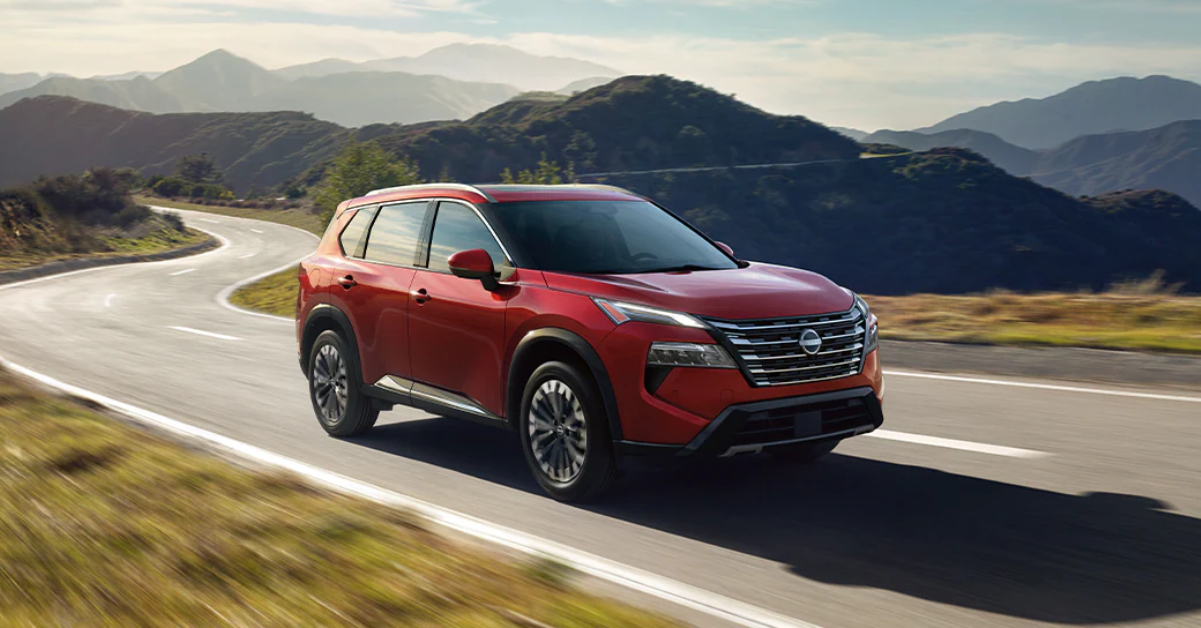
When comparing the 2026 Nissan Rogue and Hyundai Tucson, both SUVs offer competitive long-term ownership costs. Fuel, maintenance, insurance, repairs, and depreciation all play a role in determining total expenses over five years. The Rogue stands out with strong gasoline efficiency and manageable maintenance, while the Tucson offers hybrid options and an extended warranty for added peace of mind. Understanding these factors helps drivers make informed decisions and plan their budgets effectively.
At Antelope Valley Nissan, we take pride in helping drivers in Lancaster, Palmdale, Lakeview, and Acton find the right vehicle and ownership plan to fit their lifestyle. From new and certified pre-owned models to expert maintenance, genuine Nissan parts, and dedicated service support, our team is ready to guide you every step of the way. Contact us today or visit our showroom to experience personalized care and value-driven solutions that make vehicle ownership easier and more rewarding.
How Do the 2026 Nissan Rogue and Hyundai Tucson Compare in Overall Cost to Own?
The 2026 Nissan Rogue and Hyundai Tucson are close competitors when it comes to long-term ownership costs. Both SUVs include expenses for fuel, maintenance, insurance, repairs, and depreciation. Understanding these factors helps drivers plan for the next five years.
- Fuel Costs: Both vehicles average around $8,500 for typical driving. The Rogue’s gasoline engine offers strong efficiency, while Tucson hybrids may save extra on high-mileage trips.
- Maintenance and Repairs: Rogue maintenance is estimated at $4,100 over five years. Tucson’s costs are slightly higher, but its longer warranty provides added coverage.
- Insurance and Fees: Five-year insurance for Tucson is about $3,600, with taxes around $1,470. The Rogue is expected to be similar.
- Depreciation: Tucson retains slightly more value over time, but the Rogue remains competitive within its segment.
Drivers looking at Nissan Rogue vs Hyundai Tucson ownership cost in 2026 will find that Rogue offers strong fuel efficiency and reasonable maintenance, while Tucson adds hybrid options and extended warranty coverage for extra peace of mind.
Which SUV Offers the Better Starting Value for Drivers?
When evaluating the starting value, the 2026 Nissan Rogue often comes in slightly below the Hyundai Tucson. Even a small difference in price can lower monthly payments and reduce upfront costs for drivers in Lancaster and Palmdale.
Starting MSRP:
- 2026 Nissan Rogue base trim: $29,090
- 2026 Hyundai Tucson base trim: $29,200
Base Trim Highlights:
- Rogue: Standard safety features, driver-assist systems, and tech at a competitive price
- Tucson: Hybrid options and a longer factory warranty add long-term value
Rogue offers a balanced combination of features and affordability, making it an appealing option for first-time SUV buyers or those seeking a lower-cost entry point. Tucson may attract drivers who prioritize hybrid fuel savings or extended warranty coverage. For most Lancaster and Palmdale shoppers, the Rogue delivers strong starting value while still offering efficient access to key safety and technology features.
How Do Fuel Economy and Fuel Costs Affect Long-Term Ownership?
Fuel economy directly impacts the total cost of ownership for both the Nissan Rogue and Hyundai Tucson. Over five years, fuel expenses make up a significant portion of running costs. Choosing a more efficient SUV can reduce monthly budgets and overall spending, which plays a key role in understanding the ownership cost.
Fuel Efficiency Comparison:
- Rogue gasoline models: Offer up to 33 MPG combined, delivering strong efficiency for everyday driving.
- Tucson gas models: Average 28–29 MPG, while hybrid trims reach roughly 35 MPG combined.
Estimated 5-Year Fuel Costs (15,000 miles/year):
- Both SUVs fall near $8,500 for standard gasoline models.
- Tucson hybrid trims may provide extra savings for drivers with higher mileage.
Insurance and Operating Costs:
- Lower fuel expenses complement other ownership costs, like insurance and maintenance.
- Rogue offers strong gasoline efficiency for drivers seeking reliable fuel performance, while Tucson hybrids add savings potential for lower long-term fuel spending.
Comparing fuel economy and costs helps drivers plan budgets and see how efficiency contributes to the total Nissan Rogue vs Hyundai Tucson ownership cost in 2026.
What Are the Maintenance and Repair Costs Over Five Years?
Maintenance and repair expenses play a major role in the total cost of owning a 2026 Nissan Rogue. Keeping up with routine service ensures the SUV stays reliable and safe.
Estimated Costs:
- Scheduled maintenance: Oil changes, tire rotations, brake checks, and fluid top-ups average around $4,100 over five years.
- Unexpected repairs: Average costs are moderate due to the Rogue’s reliable design, though expenses may occur outside warranty coverage.
- Warranty impact: The Rogue’s 3-year/36,000-mile basic and 5-year/60,000-mile powertrain warranties help reduce early out-of-pocket repair costs.
Additional Factors Affecting Maintenance and Repair Costs:
- Parts and Service Access: Easy access to replacement parts and nearby Nissan dealerships ensures repairs are completed efficiently. Timely service reduces downtime and keeps long-term costs manageable.
- Planning Your Budget: Understanding maintenance and repair expenses allows owners to budget effectively. Proper planning helps avoid surprises and supports consistent vehicle performance.
Rogue combines reasonable maintenance needs with strong reliability, giving drivers confidence over the life of the SUV.
How Does Warranty Coverage Influence Long-Term Value?
Warranty coverage plays a key role in long-term ownership costs. It helps limit unexpected expenses and provides peace of mind.
Nissan Rogue Warranty
- Basic coverage: 3-year/36,000-mile warranty protects most repairs.
- Powertrain coverage: 5-year/60,000-mile warranty covers engine and transmission components.
- Benefits: Supports predictable budgeting and reduces financial risk.
Hyundai Tucson Warranty
- Basic coverage: 5-year/60,000-mile warranty covers most repairs, longer than Rogue’s basic plan.
- Powertrain coverage: 10-year/100,000-mile warranty provides extended protection for major components.
- Benefits: Reduces out-of-pocket repair costs and adds resale value appeal.
Warranty coverage can increase resale value by making a vehicle more attractive to future buyers. Longer coverage complements other ownership costs, including fuel, insurance, and maintenance. Both SUVs help drivers manage expenses and maintain consistent performance, but Tucson’s extended warranty provides extra security, while Rogue’s warranty balances standard protection with long-term reliability.
How Do Depreciation and Resale Value Impact Total Cost of Ownership?
Depreciation is a key factor in the long-term cost of any vehicle. How much an SUV loses value affects resale price and overall ownership expenses.
Rogue vs Tucson Depreciation:
- Rogue: Expected to retain about 51.4% of its value after five years.
- Tucson: Expected to retain roughly 54.1% of its value over the same period.
- Impact: Faster depreciation increases ownership costs, while slower depreciation preserves equity for resale.
Resale Value Considerations:
- Higher resale value can offset other costs like maintenance, fuel, and insurance.
- Vehicles with strong resale value are more attractive to future buyers.
- Warranty coverage, reliability, and fuel efficiency can help maintain resale value over time.
Overall, the Tucson holds its value slightly better than the Rogue, which may help reduce total ownership costs over five years. Understanding depreciation helps drivers compare Nissan Rogue vs Hyundai Tucson ownership costs and make informed long-term decisions.
Are Insurance, Taxes, and Fees Comparable Between the Rogue and Tucson?
Insurance, taxes, and fees for the Nissan Rogue and Hyundai Tucson are generally similar. Both SUVs fall within a close range for premiums, registration, and local taxes in Lancaster and Palmdale. Differences may arise from safety ratings, optional coverage, or local factors, but overall ownership costs in these areas remain comparable.
Estimated 5-Year Costs:
- Insurance: Premiums are similar for both vehicles, though safety features and driver history can influence rates.
- Taxes and Fees: Registration, licensing, and local taxes are largely the same for Rogue and Tucson.
- Additional Costs: Optional coverage and local incentives may slightly affect total expenses.
Cost Planning Tips:
- Comparing insurance quotes helps identify potential savings.
- Consider local factors like accident or theft rates when planning costs.
- Including insurance, taxes, and fees with fuel, maintenance, and depreciation provides a complete picture of ownership expenses.
For drivers evaluating Rogue Tucson cost to own, these costs are similar, letting buyers focus on fuel, warranty, and maintenance differences.
Which SUV Delivers the Best Overall Long-Term Value?
When comparing long-term ownership, both the Nissan Rogue and Hyundai Tucson offer solid value. Factors such as fuel, maintenance, insurance, and depreciation influence total costs for drivers.
Nissan Rogue
- Lower starting price reduces upfront expenses
- Efficient gasoline performance helps keep fuel costs low
- Maintenance and repair costs remain manageable
- Warranty coverage limits unexpected out-of-pocket expenses
Hyundai Tucson
- An extended basic warranty provides added coverage
- Hybrid trims may reduce fuel costs for high-mileage drivers
- Maintenance and repair costs are predictable
- Resale value stays competitive over time
Both SUVs provide dependable long-term value. Choosing the right one depends on whether drivers prioritize upfront cost, fuel savings, or extended warranty and insurance coverage for peace of mind.
Frequently Asked Questions About Nissan Rogue vs Hyundai Tucson Ownership Costs
Understanding the long-term costs of owning an SUV helps drivers plan budgets, avoid surprises, and make confident purchase decisions. Below are answers to common questions about fuel, insurance, maintenance, depreciation, and reliability for the Nissan Rogue and Hyundai Tucson.
How do fuel costs compare between the Nissan Rogue and Hyundai Tucson over 5 years?
Both the Nissan Rogue and Hyundai Tucson average around $8,500 in fuel costs for standard gasoline driving over five years. Rogue gasoline models reach up to 33 MPG combined, while Tucson gas models average 28–29 MPG, and Tucson hybrid trims may achieve roughly 35 MPG combined.
Which model typically has higher insurance premiums, and why?
Insurance premiums for the Rogue and Tucson are generally similar. Differences may arise from safety features, optional coverage, or local driving factors, but no consistently higher-cost model is indicated from available data.
How do routine maintenance and scheduled service costs compare for Rogue vs Tucson?
Rogue maintenance is estimated at around $4,100 over five years, covering oil changes, tire rotations, brake checks, and fluid top-ups. Tucson maintenance is slightly higher, but offset by a longer warranty that covers some repairs.
Which model depreciates faster, and what resale values can owners expect after 3–5 years?
The Rogue is expected to retain about 51.4% of its value after five years. Tucson retains roughly 54.1% over the same period. Tucson depreciates slightly slower, which can provide better resale value for owners.
Are there known reliability or repair hotspots that drive ownership costs for either model?
Both the 2026 Nissan Rogue and 2026 Hyundai Tucson are generally considered reliable vehicles with moderate overall repair costs, and no widely reported specific repair hotspots that significantly drive ownership costs have been identified.
Learn More About Nissan Ownership
Drivers from Lancaster, Palmdale, Lakeview, and Acton can explore Antelope Valley Nissan’s wide selection of vehicles, including the Rogue. Our team is ready to help you compare options and understand long-term costs.
If you are curious about electric vehicles and how they compare, check out our Nissan Leaf 2026 vs 2025 guide for insights on range, charging, and performance. You can also learn which chargers work with popular EVs using our Tesla Chargers guide. For a deeper look at different trims, see our Leaf SV Plus vs Ariya comparison.
Visit our dealership or reach out today to see the Rogue in person, compare models, and speak with specialists about long-term ownership.
Get Directions to Antelope Valley Nissan
Disclaimer: All information is provided for general informational and entertainment purposes only. While we strive for accuracy, we cannot guarantee that all content is complete, current, or error-free. Any reliance you place on such information is strictly at your own risk. This article may include opinions and is not endorsed by, or officially affiliated with, any vehicle manufacturer or brand. Always consult official sources – such as the vehicle’s owner’s manual, authorized dealerships, or certified professionals – for the most up-to-date and personalized information.