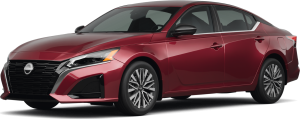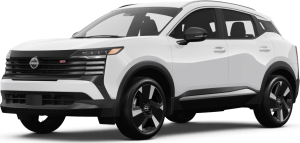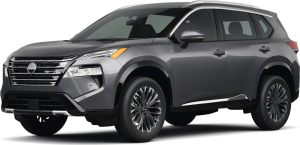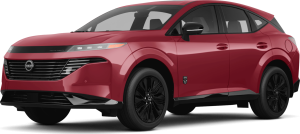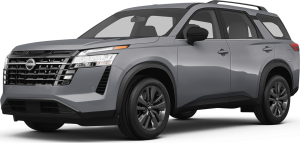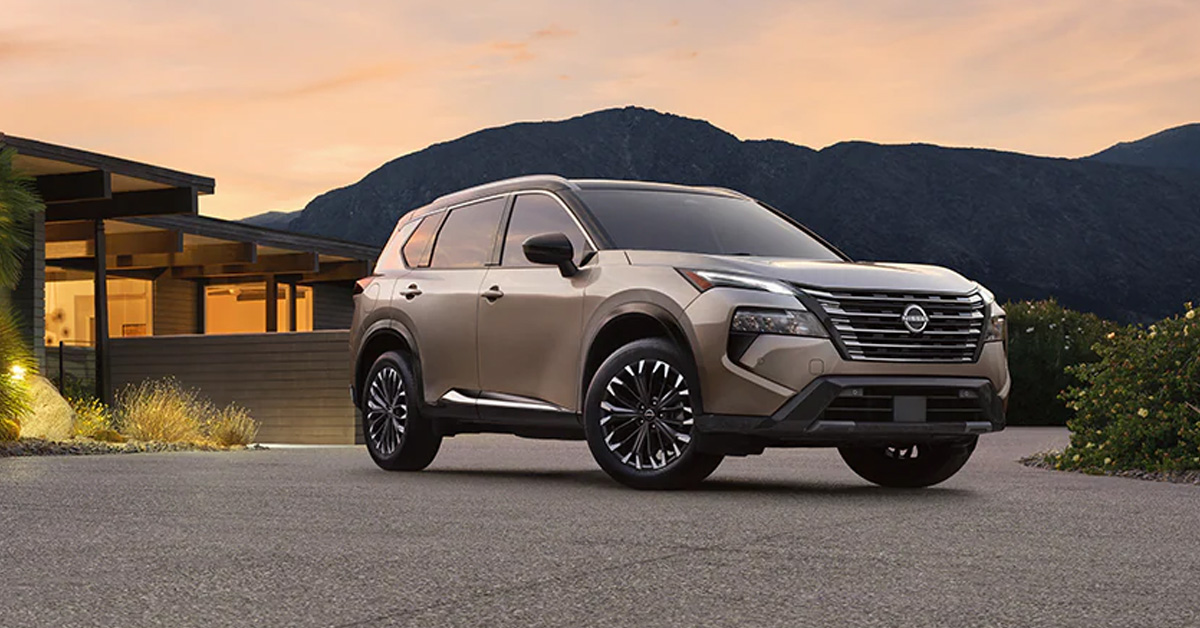
The 2026 Nissan Rogue and Hyundai Kona offer distinct advantages when it comes to ownership costs. The Rogue provides a broader range of trims and slightly higher power, while the Kona stands out with a lower starting price and predictable maintenance expenses. Comparing acquisition cost, fuel efficiency, insurance, maintenance, and depreciation helps drivers make an informed choice for long-term value.
At Antelope Valley Nissan, we are dedicated to serving all your automotive needs. From sales and service to parts and routine maintenance, we are here to provide expert support at every step. Contact us today or visit us to explore our vehicles, learn more about ownership options, and find the Nissan that fits your lifestyle.
How do the base prices of the 2026 Nissan Rogue and Hyundai Kona compare?
The starting price is a crucial component of ownership costs. Higher trims increase the cost with added features and options. Comparing the two vehicles helps drivers understand the Nissan Rogue vs the Hyundai Kona ownership cost in 2026. Buyers can choose from trims that offer different levels of equipment, performance, and drivability.
Starting MSRP
| Model | MSRP |
| 2026 Nissan Rogue | $29,090 |
| 2026 Hyundai Kona | $25,350 |
Available Trims
- Nissan Rogue trims: S, SV, Rock Creek, Platinum
- Hyundai Kona trims: SE, SEL Sport, SEL Premium, Limited
The Rogue offers six trims, giving buyers more choice in features and interior upgrades. Some trims, such as Rock Creek and Platinum, include AWD as standard, which can increase costs slightly. The Kona has fewer trims but keeps key options in upper packages. Optional AWD is available for most trims. Overall, the Rogue provides more variety and features for buyers willing to spend more. The Kona’s lower starting price can help reduce initial ownership costs. Comparing these prices helps drivers plan their long-term expenses and understand potential total costs.
How does fuel efficiency impact ownership costs for Rogue and Kona?
Fuel efficiency plays a key role in long-term ownership. Vehicles that use less fuel can save hundreds each year. The Rogue offers a slight variation in MPG depending on trim and drivetrain, while the Kona delivers consistent ratings across all trims. Understanding these differences helps drivers compare fuel & maintenance Rogue Kona.
Fuel Economy Ratings
| Model | City MPG | Highway MPG | Combined MPG |
| 2026 Nissan Rogue | 28-30 MPG | 31-37 MPG | 31-33 MPG |
| 2026 Hyundai Kona | 29 MPG | 34 MPG | 31 MPG |
Estimated annual fuel costs for both vehicles are around $1,200, based on 15,000 miles per year. AWD trims for the Rogue may slightly reduce fuel efficiency compared to FWD versions. Choosing trims with higher MPG can lower yearly fuel spending, and keeping up with regular oil changes and service also supports efficiency. By factoring in fuel use, drivers can make smart choices to manage the total cost of ownership, as small differences in efficiency add up over time.
What are the insurance costs for Rogue and Kona owners?
Insurance costs are an important part of long-term ownership. Factoring in premiums helps drivers understand the Rogue vs Kona total cost of ownership and plan their budget.
Nissan Rogue:
- Basic insurance ranges from $468 to $516 per year ($39–$43 per month)
- Full coverage usually costs $1,000 to $1,500 annually ($66–$124 per month)
- Rates depend on location, coverage level, driving record, and available discounts
- AWD trims may slightly increase premiums due to higher replacement value
Hyundai Kona:
- Average insurance is around $1,968 per year, totaling roughly $9,840 over five years
Several factors can influence total insurance costs. Trim level, drivetrain, and optional coverage selections all play a role. Choosing coverage that fits personal needs and driving habits can help manage expenses. Comparing insurance between the Rogue and Kona gives buyers a clearer view of ownership costs and supports better financial planning for the years ahead.
How much can owners expect to spend on maintenance and repairs?
Maintenance and repair costs are a key factor in long-term ownership. Reviewing fuel and maintenance for the Rogue and Kona helps drivers plan their budgets and manage expenses. Routine service keeps vehicles running efficiently and can prevent costly repairs later.
Nissan Rogue:
- Oil changes every 7,500 miles
- Major service at 60,000 and 120,000 miles
- AWD trims may have slightly higher maintenance due to extra components
Hyundai Kona:
- Oil changes are required between 7,500 and 15,000 miles
- Major services, such as spark plug or timing belt replacement around 60,000 miles
- The estimated 10-year maintenance cost is about $8,463, with a 24.76% chance of major repair
By staying on top of fuel and maintenance, drivers can make informed trim choices and adopt habits that reduce wear. Proactive servicing helps keep costs manageable and supports the long-term reliability of both vehicles.
How do depreciation and resale value affect long-term ownership?
Depreciation is a key factor in total ownership costs. Understanding how the Rogue and Kona hold value helps drivers plan for the future and compare Rogue vs Kona total cost of ownership.
Nissan Rogue:
- Five-year depreciation is around 50 percent
- The estimated resale value after five years is roughly $18,373
- AWD or higher trims may retain slightly more value due to added features
Hyundai Kona:
- Five-year depreciation is lower at about 42 to 45 percent
- Resale value remains moderate, reflecting a lower base price
Higher depreciation means a larger portion of the original cost is lost over time, which can affect trade-in or resale opportunities. Drivers who consider long-term ownership can use these values to weigh the financial impact of each SUV. Choosing the right trim and maintaining the vehicle properly helps preserve value and lowers the overall cost of ownership.
Which model is more cost-effective when considering total ownership costs?
Evaluating total ownership involves more than the purchase price. Comparing fuel, insurance, maintenance, and depreciation shows the full picture for Nissan Rogue vs Hyundai Kona ownership cost in 2026.
Nissan Rogue:
- Higher starting price and trims may increase initial cost
- AWD and added features can raise insurance and maintenance slightly
- Larger interior and stronger resale value may justify the higher cost
Hyundai Kona:
- Lower base price reduces upfront spending
- Maintenance and insurance remain predictable
- Moderate depreciation keeps long-term costs reasonable
Drivers seeking extra space, advanced features, and higher resale may find the Rogue cost-effective despite the higher purchase price. Those prioritizing lower upfront costs and manageable running expenses might prefer the Kona. Considering personal needs, trim choice, and driving habits ensures the best balance between comfort, features, and long-term affordability. Comparing these factors helps buyers make informed decisions and plan ownership budgets efficiently.
What other ownership factors should buyers consider?
Beyond price, insurance, and maintenance, several factors influence total ownership. Understanding these helps compare Rogue vs Kona total cost of ownership and make better decisions.
- Drivetrain: AWD provides better handling in snow or hills, but may slightly increase fuel and maintenance costs. FWD trims are more fuel-efficient.
- Interior space: Rogue offers larger cargo and passenger room, suitable for families or pet owners. Kona is more compact but easier to park.
- Cargo and storage: Consider folding seats, hatch access, and pet-friendly layouts. Space needs affect long-term satisfaction.
- Warranty coverage: Rogue provides a 5-year/60,000-mile basic and a 10-year/100,000-mile powertrain warranty. Kona offers similar coverage, helping reduce unexpected repair expenses.
- Regional conditions: Driving in hilly or harsh weather areas may favor AWD models, but urban use may favor smaller, more efficient trims.
Considering these ownership factors alongside fuel, insurance, and maintenance allows drivers to choose a vehicle that balances cost, comfort, and functionality over the long term.
How can smart ownership strategies reduce costs for Rogue and Kona owners?
Following best practices helps lower total costs while maintaining vehicle performance. Applying these strategies supports better Rogue vs Kona total cost of ownership.
- Routine maintenance: Keeping up with oil changes, tire rotations, and service schedules prevents expensive repairs.
- Fuel-efficient driving: Smooth acceleration, consistent speeds, and proper tire pressure improve MPG and reduce fuel spending.
- Trim selection: Choose trims that match needs, avoiding unnecessary features that add cost and may raise insurance.
- Insurance management: Compare quotes, adjust coverage levels, and use available discounts to lower premiums.
- Monitor vehicle health: Address small issues early to prevent bigger problems and maintain resale value.
Smart ownership habits extend vehicle longevity, control expenses, and make the driving experience more efficient. These strategies help drivers plan budgets and enjoy reliable performance over many years.
Frequently Asked Questions About Nissan Rogue and Hyundai Kona Ownership Costs
Many buyers consider the total cost of ownership when choosing between the Rogue and Kona. These questions highlight key areas like maintenance, fuel, insurance, and reliability that influence long-term expenses.
Which model—Rogue or Kona—has lower estimated annual maintenance and repair costs?
The Hyundai Kona generally has slightly lower annual maintenance costs than the Nissan Rogue. Over 10 years, the Rogue may incur around $8,463 in maintenance with a 24.76% chance of major repairs.
How do fuel economy and expected fuel spend compare for typical commuting patterns?
Estimated annual fuel costs for both vehicles are about $1,200 based on 15,000 miles per year. AWD trims of the Rogue may reduce efficiency slightly compared to FWD versions.
Which model tends to cost more to insure for young drivers or multi-driver households?
Insurance for the Rogue ranges from $468–$516 per year for basic coverage and $1,000–$1,500 for full coverage. The Kona averages $1,968 annually. Factors include coverage level, location, and driving history.
How do warranty coverage and available dealer programs affect total ownership costs?
The Rogue offers a 5-year/60,000-mile basic and 10-year/100,000-mile powertrain warranty. The Kona provides similar coverage. Dealer programs like complimentary maintenance or service discounts can reduce long-term expenses.
What common mechanical or electrical issues should buyers budget for on used Rogue and Kona models?
- Nissan Rogue: CVT transmission problems, infotainment or backup camera glitches, engine stalling or turbo lag, false safety alerts, and occasional suspension or AC issues.
- Hyundai Kona: Minor electrical glitches, turbo wear in higher trims, and routine suspension or brake maintenance. Pre-purchase inspections and checking recalls are recommended.
Explore More About Nissan Ownership With Antelope Valley Nissan
Understanding the factors that influence ownership costs can help you make smart vehicle decisions. Drivers from Lancaster, Palmdale, Lakeview, and Acton can explore our wide selection, including the Rogue, to find a model that fits their needs. We offer sales, service, parts, and support to meet all your automotive needs.
You can also learn more about topics like Rogue vs Tucson to compare ownership expenses, check a Leaf comparison for insights on electric vehicles, or review EV charging options to understand charging compatibility. Staying informed allows you to plan efficiently and choose a vehicle that fits your lifestyle and budget.
Visit us today or contact our dealership to schedule a test drive. We are here to help you explore your options and make ownership simple and stress-free.
Get Directions to Antelope Valley Nissan
Disclaimer: All information is provided for general informational and entertainment purposes only. While we strive for accuracy, we cannot guarantee that all content is complete, current, or error-free. Any reliance you place on such information is strictly at your own risk. This article may include opinions and is not endorsed by, or officially affiliated with, any vehicle manufacturer or brand. Always consult official sources – such as the vehicle’s owner’s manual, authorized dealerships, or certified professionals – for the most up-to-date and personalized information.