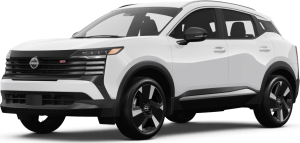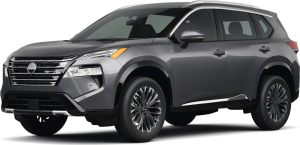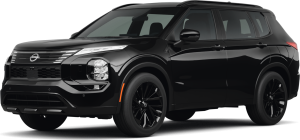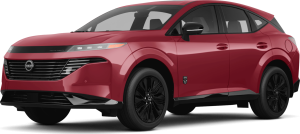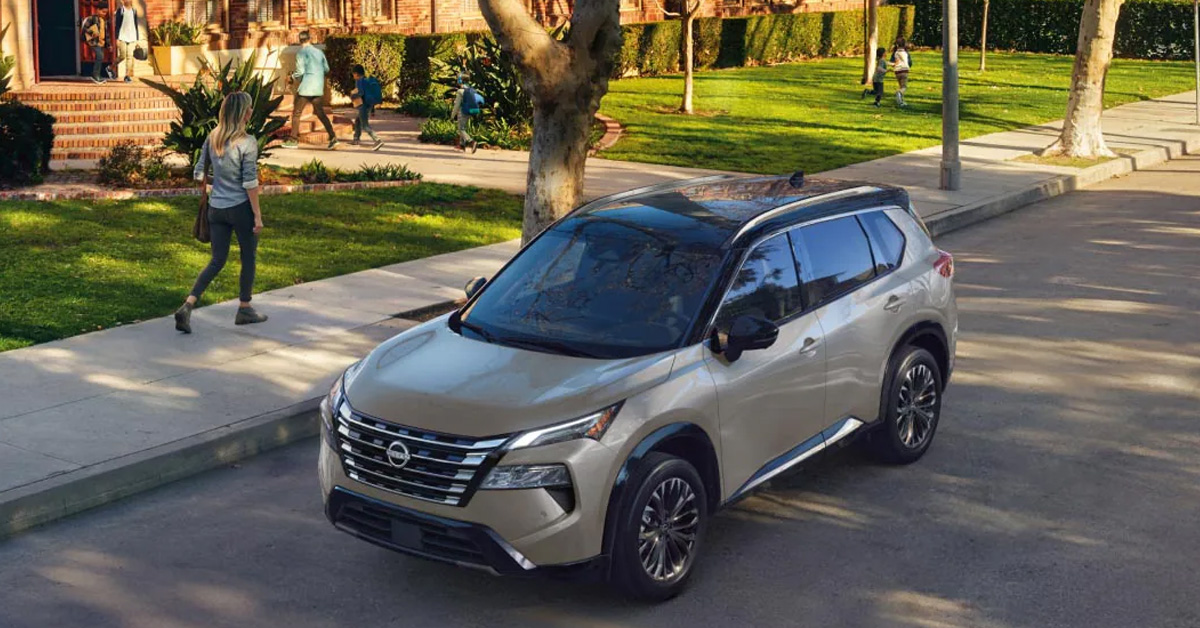
Ownership costs for the 2026 Nissan Rogue and 2026 Hyundai Santa Fe differ in clear, practical ways. The Rogue offers a lower starting price, stronger fuel efficiency, and typically lower insurance and maintenance costs. The Santa Fe costs more upfront but delivers added space, towing capability, and longer warranty coverage, making the choice a balance between daily savings and long-term utility.
At Antelope Valley Nissan, we are here to help you make that choice with confidence. From new vehicle sales to certified service, genuine parts, and ongoing support, our team is ready to assist at every step of ownership. Visit us in person or contact Antelope Valley Nissan today to get answers, explore options, and find the right Rogue for your needs.
How Do Ownership Costs Compare Between the Rogue and Santa Fe in 2026?
When comparing ownership costs in 2026, the differences come down to size, price, and long-term use. The Nissan Rogue vs Hyundai Santa Fe ownership cost 2026 comparison shows a clear split between daily efficiency and added capability. One is built to keep costs low. The other is designed to offer more space and strength.
The Rogue starts with a lower purchase price, which helps reduce taxes, fees, and finance totals. It also uses less fuel in daily driving, which lowers monthly expenses. These factors make it easier to manage costs year after year. For many drivers, that matters more than size.
The Santa Fe costs more upfront and at the pump, especially in gas trim. In return, it offers more room, higher towing limits, and a longer powertrain warranty. Those benefits can make sense for larger households. They also add to overall ownership costs.
Key ownership cost factors to compare include:
- Purchase price and trim range
- Fuel use for daily driving
- Insurance rates tied to size and value
- Maintenance needs over time
- Warranty coverage and repair risk
- Resale value after several years
Looking at the full picture helps buyers choose the right fit. The Rogue favors lower day-to-day costs and simpler ownership. The Santa Fe trades higher expenses for added space and long-term coverage.
Which SUV Has the Lower Purchase Price and Entry Cost?
Purchase price plays a major role in long-term ownership. A lower starting cost often leads to lower loan totals and reduced fees. This is a key point in any Rogue vs Santa Fe ownership comparison.
The Rogue starts at a lower MSRP of $29,090 than the Santa Fe's $35,050 price tag. That difference affects more than the sticker price. It can also reduce sales tax, title fees, and monthly payments. For buyers watching their budget, this can make a real impact.
The Santa Fe enters the market at a higher price due to its larger size and three-row design. More space and added features come at a cost. Higher trims can raise the entry price even more.
For many drivers, the Rogue offers a more accessible entry point. The Santa Fe may suit buyers who need more room and accept higher upfront costs.
How Does Fuel Economy Affect Long-Term Ownership Costs?
Fuel use plays a steady role in long-term costs. Small MPG gaps can add up over years of driving. This matters when looking at the TCO family SUV 2026 choices.
The Rogue delivers strong fuel economy for daily use. Lower fuel use helps keep weekly and monthly costs in check. This is helpful for commuters and small families.
Larger SUVs tend to burn more fuel due to size and weight. Gas versions can raise yearly fuel spend. Hybrid options can help offset this, but often cost more upfront.
Fuel economy factors that affect ownership costs include:
- Average miles driven each year
- City versus highway driving mix
- Fuel type and local gas prices
- Drivetrain choice, such as FWD or AWD
Over time, better fuel use supports lower ownership costs. The Rogue fits drivers who value steady savings at the pump. Fuel economy remains a key part of smart long-term planning.
What Maintenance Costs Should Owners Expect Over Time?
Maintenance is a key part of long-term ownership. Routine service helps control the Nissan Rogue vs Hyundai Santa Fe ownership cost 2026 over many years. Small differences in design can affect how often service is needed.
The Rogue uses a smaller engine and lighter build. This can lead to lower routine service costs. Fewer parts under strain may help limit wear over time.
Larger SUVs often place more load on brakes, tires, and suspension. Added weight and towing use can raise service needs. AWD systems may also add to upkeep.
Common maintenance items to plan for include:
- Oil and filter changes
- Brake pads and rotors
- Tires and wheel alignment
- Fluid checks and refills
- Scheduled inspections
Keeping up with service helps avoid larger repairs. The Rogue suits drivers who want simple upkeep and steady costs. Planning ahead supports long-term savings and reliability.
How Do Warranty Coverage and Protection Impact Ownership Value?
Warranty coverage helps reduce repair risk over time. It plays a major role in any Rogue vs Santa Fe ownership comparison. Strong coverage can protect owners from high repair bills.
The Rogue comes with standard factory protection. This covers early ownership years and common issues. Many drivers find this suits typical lease or short-term plans.
Some SUVs offer longer powertrain coverage. This can lower risk for owners who plan to keep their vehicle longer. Extended coverage may help offset higher repair costs later.
Key warranty points that affect ownership value include:
- Length of basic coverage
- Powertrain protection terms
- Roadside help and added support
- Transfer value for resale
Warranty length shapes peace of mind. The Rogue offers solid protection for everyday ownership. Buyers should match coverage length with how long they plan to keep the vehicle.
Which SUV Is Likely Cheaper to Insure?
Insurance is a steady cost that adds up each year. It is a key part of TCO family SUV 2026 planning. Vehicle size and value often shape premium rates.
The Rogue tends to cost less to insure. Its lower price and compact size help keep rates in check. Safety features can also support lower premiums.
Larger SUVs may bring higher insurance costs. More mass and higher repair costs can raise rates. Added features may increase replacement value.
Insurance cost factors to review include:
- Vehicle size and weight
- Starting price and trim level
- Safety and driver aid systems
- Driver age and driving record
Over time, lower insurance costs support better value. The Rogue fits buyers who want predictable yearly expenses. Insurance remains an important part of long-term ownership planning.
How Well Do These SUVs Hold Their Value Over Time?
Resale value plays a big role in long-term costs. It shapes the Nissan Rogue vs Hyundai Santa Fe ownership cost 2026 over several years. Depreciation affects trade-in and resale plans.
The Rogue benefits from steady demand in the used market. Strong sales history can help support resale value. Popular trims may hold value better than base models.
Larger SUVs can lose more value in total dollars. Higher starting prices often lead to higher depreciation. New redesigns may help early resale but can level out over time.
Factors that influence long-term value include:
- Starting price and trim level
- Mileage and service records
- Demand in the used market
- Condition and care
Good upkeep helps protect value. The Rogue suits buyers who want stable resale trends. Planning for depreciation supports smarter ownership decisions.
How Do Space and Capability Affect Cost Justification?
Space and strength can change how buyers view cost. This is an important part of any Rogue vs Santa Fe ownership comparison. Paying more can make sense if the space is used.
The Rogue offers room for daily needs. It fits small families, pets, and gear with ease. For many drivers, this level of space is enough.
Larger SUVs add a third row and more cargo room. They may also support towing or road trips with more people. These features raise cost but add function.
Capability factors that affect value include:
- Passenger seating needs
- Cargo size for trips or work
- Towing use and gear load
- Future family or lifestyle plans
Choosing the right size matters. The Rogue works well for daily life without excess cost. Bigger options can justify higher spend when space is used often.
Which SUV Makes More Financial Sense for Different Buyers?
Choosing the right SUV depends on needs and habits. Total cost matters more than price alone. This view supports smarter TCO family SUV 2026 planning.
The Rogue fits drivers who want steady savings. Lower fuel use and simpler care help control costs. It suits daily trips and small families.
Some buyers need more seats or gear space. They may accept higher costs for added use. Long trips and larger households can change the value mix.
Buyer needs that shape cost sense include:
- Daily drive distance and fuel use
- Family size and seat needs
- Cargo or tow plans
- How long the vehicle is kept
Matching the vehicle to real needs is key. The Rogue makes sense for cost-focused drivers. Others may value space enough to spend more over time.
Frequently Asked Questions About Rogue and Santa Fe Ownership Costs
Many buyers want clear answers before comparing long-term costs. These questions focus on depreciation, repairs, fuel use, and trim choices that shape real ownership expenses.
Over a 5-year ownership period, which costs more to own: the Rogue or the Santa Fe?
Over five years, the Santa Fe typically costs more to own than the Rogue due to higher purchase price, fuel use, and insurance.
How do expected depreciation and trade-in values compare between Rogue and Santa Fe?
The Rogue tends to lose less money in total dollars because it starts at a lower price. The Santa Fe may depreciate more in dollar value, even if its percentage loss is similar.
Which model has higher typical repair costs for big-ticket items (transmission, hybrid components, turbo systems)?
The Santa Fe usually carries a higher repair risk for major items due to its larger turbo engine, added drivetrain load, and available hybrid systems. The Rogue’s simpler layout often results in lower major repair costs.
How do fuel economy and family-usage patterns (kids, cargo, towing) change ownership math?
Fuel costs rise with added passengers, cargo, and towing. The Rogue stays more efficient for daily family use, while the Santa Fe’s extra space and towing ability increase fuel spend but may reduce the need for a second vehicle.
What trim- or option-related choices most heavily impact long-term ownership costs?
AWD systems, larger wheels, turbo upgrades, hybrid systems, and premium tech packages raise purchase price, insurance, and maintenance. Choosing only needed features helps control long-term costs.
Making a Smart Ownership Choice in 2026
Comparing long-term costs helps drivers plan with confidence. Factors like price, fuel use, insurance, and resale all shape real ownership value over time. Understanding these details makes it easier to choose a vehicle that fits both budget and daily needs.
At Antelope Valley Nissan, our team is ready to help drivers from Lancaster, Palmdale, LakeView, and Acton explore their options. We invite you to browse our wide selection, including the Rogue, and speak with our staff about sales, service, parts, and ownership planning. Take time to explore related topics like Rogue vs Kona costs, compare ownership across models, and continue discovering tools that support smarter vehicle decisions. Reach out today or keep exploring our site to learn more.
Contact Antelope Valley Nissan
Get Directions to Antelope Valley Nissan
Disclaimer: All information is provided for general informational and entertainment purposes only. While we strive for accuracy, we cannot guarantee that all content is complete, current, or error-free. Any reliance you place on such information is strictly at your own risk. This article may include opinions and is not endorsed by, or officially affiliated with, any vehicle manufacturer or brand. Always consult official sources – such as the vehicle’s owner’s manual, authorized dealerships, or certified professionals – for the most up-to-date and personalized information.